

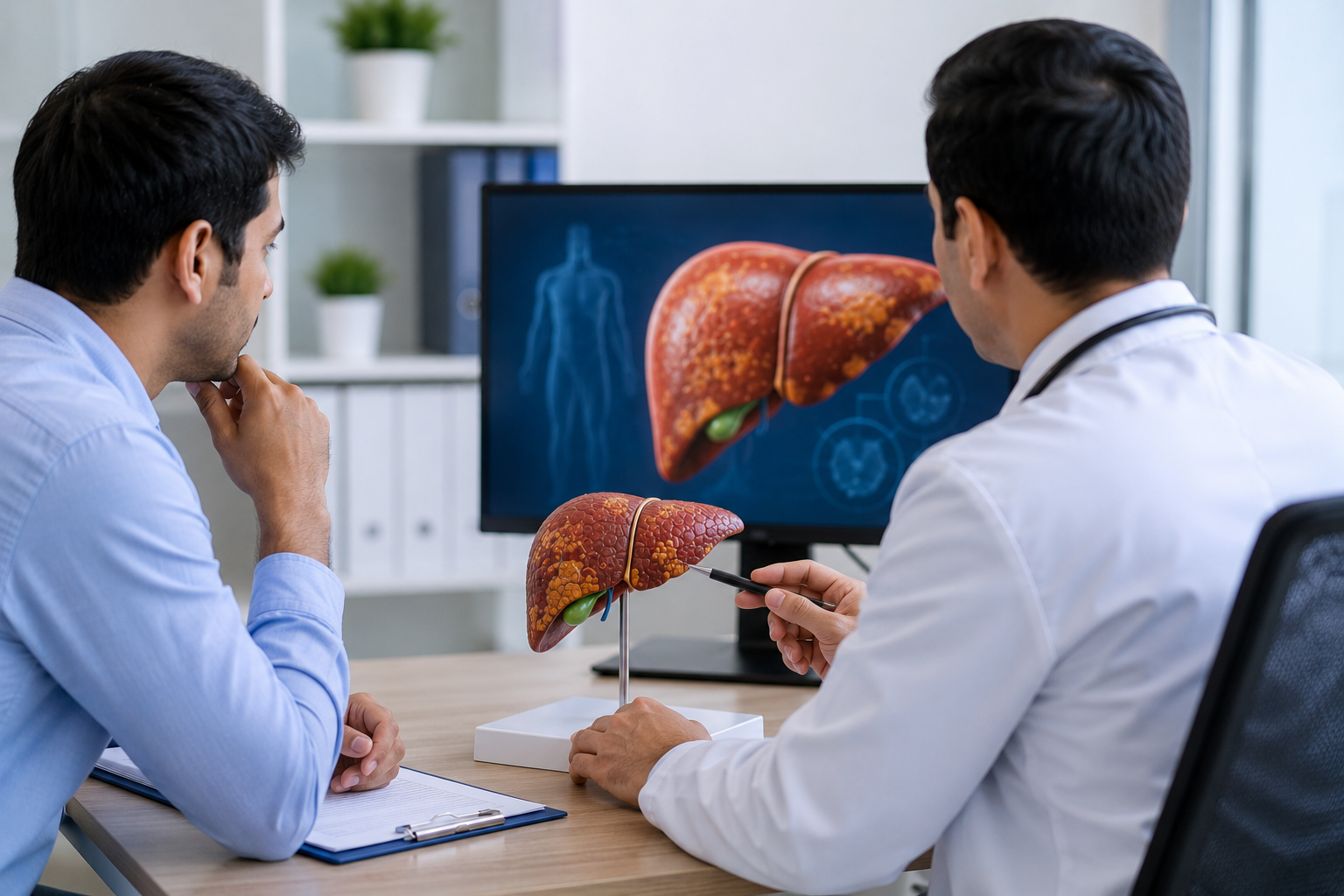
Fatty Liver Disease has become one of the most common liver disorders worldwide, affecting millions of people across all age groups. Often called a “silent disease,” fatty liver can progress without noticeable symptoms for years. If left untreated, it may lead to liver inflammation, fibrosis, cirrhosis, and even liver failure.
The good news is that early diagnosis and proper management can often reverse fatty liver disease and prevent serious complications. Understanding the symptoms, causes, stages, and treatment options is the first step toward protecting your liver health.
In this guide, Dr. Ram Soni, a leading Liver and Gastro Specialist in Faridabad, explains everything you need to know about Fatty Liver Disease and how timely medical intervention can help preserve liver function.
What is Fatty Liver Disease?
Fatty Liver Disease occurs when excess fat accumulates inside liver cells. Normally, the liver contains a small amount of fat, but when fat exceeds 5–10% of the liver’s weight, it is considered fatty liver disease.
There are two primary types:
Non-Alcoholic Fatty Liver Disease (NAFLD)
This is the most common type and occurs in people who consume little or no alcohol. It is often associated with obesity, diabetes, and metabolic disorders.
Alcohol-Related Fatty Liver Disease
This develops due to excessive alcohol consumption, which damages liver cells and promotes fat accumulation.
Both conditions can progress to more serious liver damage if not addressed promptly.
Why is the Liver Important?
The liver is one of the body’s most vital organs and performs hundreds of essential functions, including:
- Filtering toxins from the blood
- Producing bile for digestion
- Regulating metabolism
- Storing vitamins and minerals
- Processing medications
- Supporting immune function
- Managing blood sugar levels
When fat accumulates in the liver, these functions may become impaired over time.
Symptoms of Fatty Liver Disease
One of the biggest challenges with fatty liver disease is that many patients experience no symptoms during the early stages.
When symptoms do occur, they may include:
- Persistent fatigue
- Weakness
- Mild abdominal discomfort
- Pain in the upper right abdomen
- Unexplained weight loss
- Loss of appetite
- Bloating
- Difficulty concentrating
As the disease progresses, symptoms may become more noticeable.
Advanced Symptoms
In severe cases, patients may develop:
- Jaundice (yellowing of skin and eyes)
- Swelling in the abdomen (ascites)
- Leg swelling
- Easy bruising
- Confusion or memory problems
- Increased fatigue
These symptoms may indicate advanced liver damage and require immediate medical attention.
What Causes Fatty Liver Disease?
Several factors can contribute to the development of fatty liver disease.
Obesity
Excess body weight is one of the strongest risk factors. Fat accumulation throughout the body often extends to the liver.
Type 2 Diabetes
High blood sugar levels and insulin resistance significantly increase the risk of fatty liver disease.
High Cholesterol and Triglycerides
Elevated blood lipid levels contribute to fat buildup in liver cells.
Metabolic Syndrome
Patients with obesity, high blood pressure, high blood sugar, and abnormal cholesterol levels are at increased risk.
Excessive Alcohol Consumption
Alcohol damages liver cells and promotes fat deposition.
Poor Diet
Frequent consumption of:
- Sugary beverages
- Processed foods
- Refined carbohydrates
- Fast food
can contribute to fatty liver development.
Sedentary Lifestyle
Lack of physical activity increases the likelihood of obesity and metabolic dysfunction.
Certain Medications
Some medications may contribute to fatty liver changes and require medical monitoring.
Stages of Fatty Liver Disease
Understanding the progression of fatty liver disease is important because treatment effectiveness depends on the stage at diagnosis.
Stage 1: Simple Fatty Liver (Steatosis)
Fat accumulates within liver cells but causes minimal inflammation or damage.
At this stage:
- Liver function is usually preserved.
- Most patients have no symptoms.
- The condition is often reversible with lifestyle changes.
Stage 2: Non-Alcoholic Steatohepatitis (NASH)
The liver becomes inflamed in addition to fat accumulation.
Potential consequences include:
- Liver cell injury
- Persistent inflammation
- Progressive damage
NASH requires close medical supervision.
Stage 3: Liver Fibrosis
Chronic inflammation causes scar tissue to develop within the liver.
At this stage:
- Liver function may begin to decline.
- Damage may still be partially reversible if treated early.
Stage 4: Cirrhosis
Extensive scarring permanently damages the liver.
Complications may include:
- Liver failure
- Portal hypertension
- Internal bleeding
- Liver cancer
Early diagnosis is critical to prevent progression to cirrhosis.
How is Fatty Liver Disease Diagnosed?
A gastroenterologist or liver specialist may recommend:
Medical History and Physical Examination
Assessment of:
- Weight
- Lifestyle habits
- Medical conditions
- Alcohol intake
- Family history
Blood Tests
These help evaluate:
- Liver enzymes
- Cholesterol levels
- Blood sugar levels
- Liver function
Ultrasound
Ultrasound is often the first imaging test used to detect fatty liver.
FibroScan
FibroScan helps assess liver stiffness and fibrosis without surgery.
CT Scan or MRI
Advanced imaging may be recommended in selected cases.
Liver Biopsy
In certain situations, a biopsy may be needed to evaluate inflammation and fibrosis severity.
Treatment Options for Fatty Liver Disease
There is currently no single medication that cures all cases of fatty liver disease. Treatment focuses on addressing the underlying causes and preventing progression.
Weight Loss
Even a modest weight reduction can significantly improve liver health.
Many patients experience improvement after losing 5–10% of their body weight.
Healthy Diet
Recommended dietary habits include:
- Fruits and vegetables
- Whole grains
- Lean proteins
- Healthy fats
- Reduced sugar intake
Patients should limit:
- Processed foods
- Sugary beverages
- Excessive carbohydrates
- Saturated fats
Regular Exercise
Physical activity improves:
- Insulin sensitivity
- Weight control
- Liver fat reduction
Aim for at least 150 minutes of moderate exercise per week.
Diabetes Management
Controlling blood sugar levels helps slow disease progression.
Cholesterol Control
Managing cholesterol and triglycerides reduces fat accumulation in the liver.
Alcohol Avoidance
Patients with fatty liver disease should avoid or significantly reduce alcohol consumption.
Regular Monitoring
Periodic follow-up helps track:
- Liver function
- Disease progression
- Treatment response
Why Choose Dr. Ram Soni for Fatty Liver Treatment?
Dr. Ram Soni is recognized as one of the leading liver and gastro specialists in Faridabad.
His expertise includes:
- Fatty Liver Disease Management
- Liver Fibrosis Evaluation
- Hepatitis Treatment
- Cirrhosis Care
- Gastrointestinal Disorders
- Endoscopy and Colonoscopy Consultation
- Digestive Health Management
He focuses on evidence-based treatment, personalized care plans, and long-term liver health preservation.
Book an Appointment with Dr. Ram Soni
If you have been diagnosed with fatty liver disease or are experiencing symptoms of liver dysfunction, early consultation can help prevent complications.
Appointment Number
📞 +91-9811446141
Conclusion
Fatty Liver Disease is increasingly common but often preventable and manageable when detected early. Understanding the symptoms, causes, stages, and treatment options allows patients to take proactive steps toward protecting their liver health.
With timely diagnosis, lifestyle changes, and expert medical guidance, many patients can reverse fatty liver disease and prevent serious complications. Consulting an experienced specialist such as Dr. Ram Soni can help you develop a personalized treatment strategy and achieve better long-term liver health.
Frequently Asked Questions (FAQs)
1. What is Fatty Liver Disease?
Fatty Liver Disease occurs when excess fat accumulates within liver cells, potentially leading to inflammation and liver damage.
2. Is Fatty Liver Disease reversible?
Yes. In many cases, early-stage fatty liver disease can be reversed through weight loss, dietary improvements, exercise, and management of underlying conditions.
3. What are the first symptoms of fatty liver?
Many patients have no symptoms. Others may experience fatigue, abdominal discomfort, bloating, or weakness.
4. Can fatty liver lead to cirrhosis?
Yes. Untreated fatty liver disease can progress to fibrosis and eventually cirrhosis in some patients.
5. Is alcohol the only cause of fatty liver?
No. Non-Alcoholic Fatty Liver Disease (NAFLD) is commonly associated with obesity, diabetes, and metabolic syndrome.
6. How is fatty liver diagnosed?
Diagnosis may involve blood tests, ultrasound, FibroScan, CT scans, MRI, or liver biopsy.
7. Can exercise improve fatty liver disease?
Yes. Regular physical activity can reduce liver fat and improve overall metabolic health.
8. What foods should be avoided with fatty liver?
Patients should limit sugary drinks, processed foods, refined carbohydrates, and excessive saturated fats.
9. Who is at risk?
People with obesity, diabetes, high cholesterol, metabolic syndrome, or excessive alcohol intake are at higher risk.
10. How can I book an appointment with Dr. Ram Soni?
You can schedule a consultation by calling +91-9811446141.