

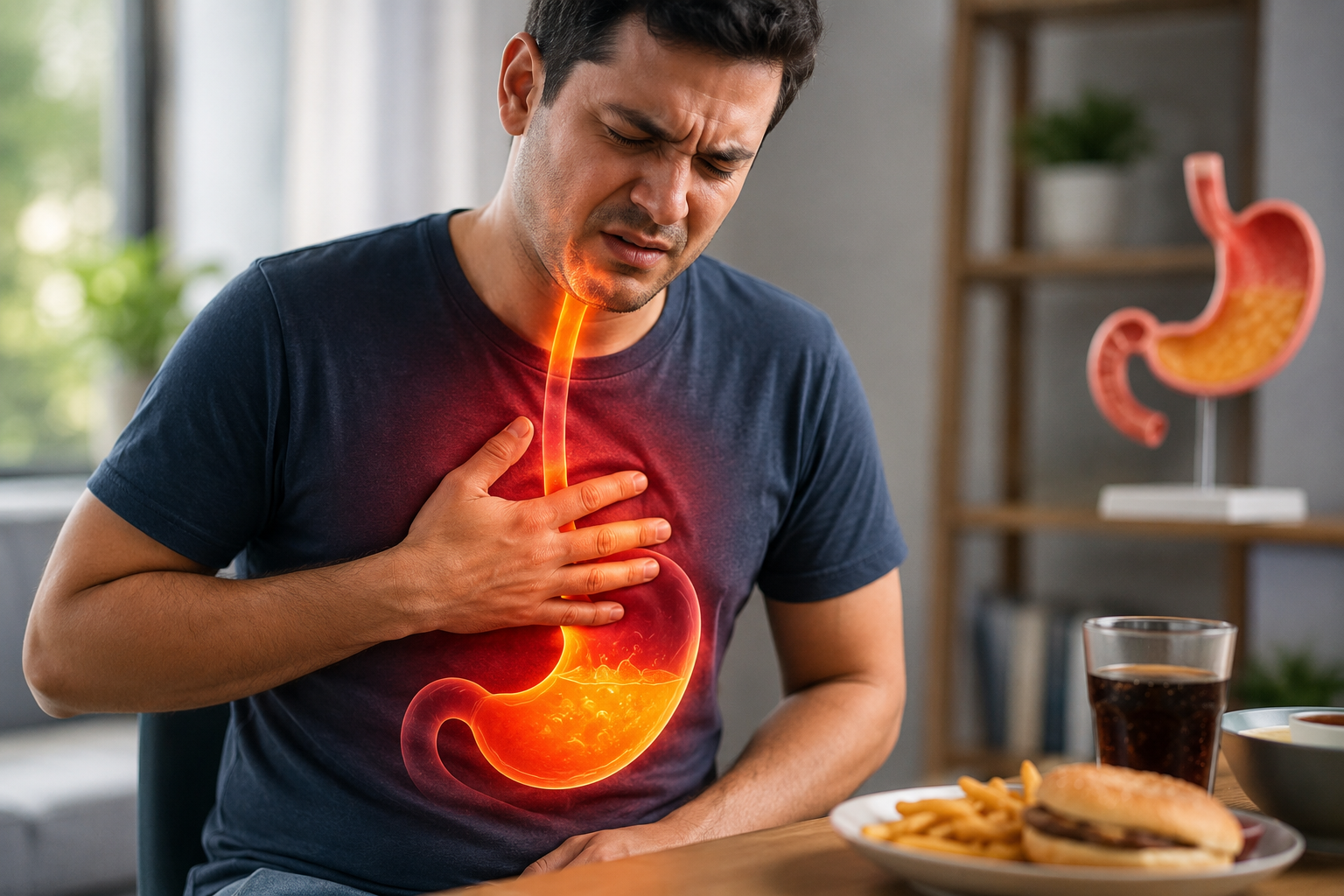
Most people have experienced acidity or heartburn at some point in their lives. It may happen after eating spicy food, drinking excessive tea or coffee, overeating during festivals, or lying down immediately after meals. While occasional acidity is common and often resolves with simple lifestyle changes, frequent or persistent symptoms should never be ignored.
Many people continue taking over-the-counter antacids for months or even years without realizing that recurring acidity could actually be Gastroesophageal Reflux Disease (GERD) or another underlying digestive disorder.
If you experience heartburn regularly, it may be time to consult a gastroenterologist.
In this article, Dr. Ram C. Soni, one of the best gastroenterologists in Faridabad, explains the difference between acidity, acid reflux, and GERD, along with warning signs, diagnosis, treatment, and when specialist evaluation is necessary.
What Is Acidity?
Acidity occurs when the stomach produces excess acid or when stomach acid irritates the lining of the stomach or food pipe.
Common symptoms include:
- Burning sensation in the chest (heartburn)
- Sour taste in the mouth
- Burning in the throat
- Indigestion
- Bloating
- Burping
- Mild stomach discomfort
Occasional acidity is generally harmless and may occur after:
- Eating spicy or oily food
- Heavy meals
- Excess tea or coffee
- Alcohol consumption
- Smoking
- Stress
- Poor sleep
Most people improve with dietary changes and short-term medication.
What Is Acid Reflux?
Acid reflux occurs when stomach acid flows backward into the food pipe (esophagus).
Normally, a muscular valve called the Lower Esophageal Sphincter (LES) prevents stomach contents from moving upward.
When this valve becomes weak or relaxes inappropriately, acid escapes into the esophagus, causing symptoms such as:
- Heartburn
- Regurgitation of food or sour liquid
- Bitter taste
- Burning throat
- Chronic cough
- Hoarseness
Occasional reflux is common.
Frequent reflux, however, can lead to GERD.
What Is GERD?
GERD (Gastroesophageal Reflux Disease) is a chronic condition where acid reflux occurs repeatedly and begins damaging the lining of the esophagus.
Unlike occasional acidity, GERD is a long-term medical condition requiring proper evaluation and treatment.
Without treatment, GERD may lead to serious complications.
Common Symptoms of GERD
Symptoms may include:
- Frequent heartburn
- Burning chest pain after meals
- Sour or bitter taste in the mouth
- Regurgitation of food
- Difficulty swallowing
- Persistent cough
- Hoarse voice
- Chronic throat irritation
- Feeling of food getting stuck
- Bad breath
- Excessive burping
- Sleep disturbance due to reflux
Some people may experience symptoms mainly at night.
What Causes Acid Reflux and GERD?
Several factors increase the risk.
Lifestyle Factors
- Obesity
- Overeating
- Late-night meals
- Smoking
- Alcohol
- Sedentary lifestyle
Dietary Triggers
- Fried food
- Spicy food
- Chocolate
- Carbonated drinks
- Coffee
- Citrus fruits
- Tomatoes
- Peppermint
Medical Conditions
- Hiatal hernia
- Pregnancy
- Delayed stomach emptying
- Diabetes
- Connective tissue disorders
Certain medications can also worsen reflux.
Is Every Heartburn GERD?
No.
A single episode after eating spicy food usually isn’t GERD.
However, if symptoms occur:
- More than twice a week
- For several weeks
- Despite medications
- Along with swallowing difficulty
You should consult a gastroenterologist.
Warning Signs You Should Never Ignore
Seek specialist evaluation if you have:
Frequent heartburn
Symptoms occurring multiple times every week.
Difficulty swallowing
Food sticking in the chest needs immediate attention.
Chest pain
Always rule out heart disease first.
Persistent cough
Chronic cough without lung disease may actually be due to reflux.
Hoarseness
Acid reaching the voice box can cause chronic hoarseness.
Vomiting blood
Requires urgent medical evaluation.
Black stools
May indicate gastrointestinal bleeding.
Unexplained weight loss
Could suggest serious digestive disease.
Persistent vomiting
Needs prompt evaluation.
Can Untreated GERD Cause Complications?
Yes.
Ignoring chronic acid reflux may result in:
Esophagitis
Inflammation of the food pipe.
Esophageal Ulcers
Painful ulcers may develop due to repeated acid exposure.
Esophageal Strictures
Scarring can narrow the food pipe and make swallowing difficult.
Barrett’s Esophagus
Long-standing GERD can change the cells lining the esophagus, increasing the risk of esophageal cancer.
Although not everyone develops complications, persistent symptoms should never be ignored.
How Is GERD Diagnosed?
A gastroenterologist will evaluate your symptoms and medical history.
Depending on the case, investigations may include:
Upper GI Endoscopy
The most important test for examining the food pipe, stomach, and upper intestine.
It helps detect:
- Inflammation
- Ulcers
- Barrett’s esophagus
- Hiatal hernia
- Tumors
Biopsy
If abnormal tissue is seen.
24-Hour pH Monitoring
Measures acid exposure in the esophagus.
Esophageal Manometry
Evaluates muscle function of the food pipe.
Treatment Options
Treatment depends on the severity of symptoms.
Lifestyle Changes
Often the first step.
Recommendations include:
- Eat smaller meals
- Avoid lying down for at least 2–3 hours after eating
- Lose excess weight
- Stop smoking
- Limit alcohol
- Avoid trigger foods
- Elevate the head of the bed
- Exercise regularly
These measures significantly improve symptoms in many patients.
Medications
Your doctor may prescribe:
- Antacids
- H2 receptor blockers
- Proton Pump Inhibitors (PPIs)
- Prokinetic medications
Avoid taking long-term medication without medical supervision.
Endoscopic or Surgical Treatment
Some patients with severe GERD, hiatal hernia, or medication-resistant symptoms may require advanced treatment.
Your gastroenterologist will advise the most appropriate option.
Foods That May Help Reduce Acidity
Include:
- Bananas
- Oatmeal
- Green vegetables
- Whole grains
- Lean proteins
- Yogurt (if tolerated)
- Plenty of water
Everyone’s triggers are different, so keeping a food diary can be helpful.
Foods That Often Trigger Reflux
Try limiting:
- Fried foods
- Spicy curries
- Excess oil
- Coffee
- Chocolate
- Carbonated beverages
- Citrus fruits
- Tomatoes
- Peppermint
- Alcohol
Tips to Prevent Acidity
Simple daily habits can make a big difference:
- Eat slowly.
- Avoid overeating.
- Maintain a healthy weight.
- Stay physically active.
- Reduce stress.
- Sleep adequately.
- Avoid late-night dinners.
- Don’t self-medicate for months.
When Should You See a Gastroenterologist?
Consult a gastroenterologist if you have:
- Heartburn more than twice a week
- Symptoms lasting several weeks
- Difficulty swallowing
- Persistent cough or hoarseness
- Recurrent vomiting
- Weight loss
- Blood in vomit or stools
- Severe chest burning
- No improvement despite medication
Early diagnosis helps prevent long-term complications and improves quality of life.
Expert Gastrointestinal Care in Faridabad
If you are experiencing persistent acidity, heartburn, acid reflux, or GERD symptoms, timely consultation can make a significant difference.
Dr. Ram C. Soni is regarded as one of the best gastroenterologists in Faridabad, with expertise in diagnosing and treating a wide range of digestive disorders, including GERD, acidity, ulcers, liver diseases, pancreatic disorders, inflammatory bowel disease, and gastrointestinal cancers.
Using advanced diagnostic techniques such as endoscopy and evidence-based treatment approaches, Dr. Soni provides personalized care tailored to each patient’s needs.
Whether your symptoms are occasional or have been troubling you for years, seeking specialist evaluation can help identify the underlying cause and provide lasting relief.
Book an appointment with Dr. Ram C. Soni, Best Gastroenterologist in Faridabad, at Accord Superspeciality Hospital for expert evaluation and comprehensive digestive care.