

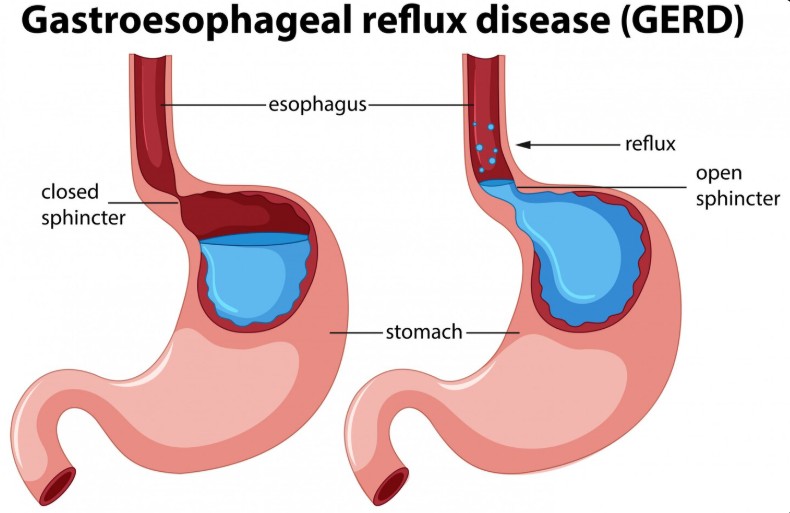
Gastroesophageal Reflux Disease (GERD) is one of the most common digestive disorders affecting people of all age groups today. It occurs when stomach acid frequently flows back into the esophagus—the tube that connects the mouth to the stomach. This backward flow, known as acid reflux, irritates the lining of the esophagus and leads to uncomfortable symptoms. While occasional acid reflux is common, persistent reflux can progress into GERD and cause serious health complications if left untreated.
In Faridabad and surrounding regions, lifestyle changes, dietary habits, stress, and irregular meal patterns have significantly contributed to a rise in GERD cases. Under the expert care of Dr. Ram Chandra Soni, a leading gastroenterologist at Accord Superspeciality Hospital, Faridabad, patients can receive accurate diagnosis, personalized treatment, and long-term relief from GERD.
What Is GERD?
GERD is a chronic condition where stomach acid or bile irritates the esophagus due to a weakened or malfunctioning Lower Esophageal Sphincter (LES). The LES normally acts as a valve, opening to allow food into the stomach and closing to prevent acid from flowing back. When this valve weakens or relaxes abnormally, acid reflux becomes frequent and problematic.
What Causes GERD?
Several lifestyle, dietary, and medical factors contribute to the development of GERD. Understanding these causes is the first step toward effective management.
1. Being Overweight or Obese
Excess body weight increases pressure on the abdomen, pushing stomach acid upward into the esophagus and overwhelming the LES.
2. Overeating
Large meals stretch the stomach and increase pressure against the LES, making acid reflux more likely.
3. Trigger Foods and Beverages
Certain foods are known to weaken the LES or stimulate acid production, including:
-
Fatty or fried foods
-
Spicy foods
-
Citrus fruits
-
Chocolate
-
Caffeine
-
Carbonated drinks
-
Alcohol
4. Smoking
Smoking damages the LES and reduces saliva production, which normally helps neutralize stomach acid.
5. Certain Medications
Medications such as ibuprofen, naproxen, aspirin, and some blood pressure drugs can worsen GERD by irritating the esophagus or relaxing the LES.
Recognizing the Symptoms of GERD
GERD symptoms can vary from mild to severe and may worsen over time if ignored. Common symptoms include:
-
Heartburn: A burning sensation in the chest, especially after meals or when lying down
-
Regurgitation: Sour or bitter-tasting acid backing up into the throat or mouth
-
Chest or upper abdominal pain
-
Difficulty swallowing (dysphagia)
-
A feeling of a lump or tightness in the throat (globus sensation)
Less common but significant symptoms may include:
-
Chronic cough
-
Hoarseness or voice changes
-
Frequent throat clearing
-
Worsening asthma symptoms
-
Bad breath
How GERD Is Diagnosed
If symptoms persist despite lifestyle changes or over-the-counter medications, Dr. Ram Chandra Soni may recommend diagnostic tests to confirm GERD and assess complications.
1. Endoscopy
A thin, flexible tube with a camera is inserted through the throat to examine the esophagus for inflammation, ulcers, or narrowing.
2. Upper GI Series
X-ray imaging of the esophagus, stomach, and small intestine helps identify structural abnormalities.
3. Esophageal Manometry
This test measures the muscle contractions and pressure in the esophagus to assess LES function.
4. pH Monitoring
A specialized test that measures acid levels in the esophagus over 24 hours to confirm acid reflux episodes.
Treatment Options for GERD
GERD treatment focuses on reducing acid reflux, healing the esophagus, and preventing complications. Most patients respond well to a combination of lifestyle changes and medications.
Lifestyle Modifications for GERD Management
Lifestyle changes are the foundation of GERD treatment and often provide long-term relief.
1. Avoid Trigger Foods
Identifying and eliminating foods that worsen symptoms is crucial. Keeping a food diary can help pinpoint personal triggers.
2. Eat Smaller, More Frequent Meals
Smaller meals reduce pressure on the LES. Avoid lying down for at least 3–4 hours after eating.
3. Eat Slowly and Chew Thoroughly
Eating mindfully prevents overeating and allows smoother digestion, reducing reflux episodes.
4. Quit Smoking
Smoking cessation significantly improves GERD symptoms and overall digestive health.
5. Elevate Your Head While Sleeping
Raising the head of the bed by about six inches or using a wedge pillow helps prevent nighttime acid reflux.
Medications for GERD
Depending on symptom severity, Dr. RC Soni may prescribe:
-
Antacids for quick relief
-
H2 blockers to reduce acid production
-
Proton Pump Inhibitors (PPIs) for long-term acid suppression
In severe or complicated cases, advanced treatment or surgical options may be discussed.
Potential Complications of Untreated GERD
Ignoring GERD can lead to serious health issues, including:
1. Esophagitis
Chronic inflammation of the esophagus causing pain, ulcers, and bleeding.
2. Esophageal Strictures
Scar tissue formation narrows the esophagus, making swallowing difficult.
3. Respiratory Problems
Acid aspiration can trigger chronic cough, asthma, bronchitis, and throat irritation.
4. Barrett’s Esophagus
Long-term acid exposure alters the esophageal lining, increasing the risk of esophageal cancer.
When to Seek Medical Attention for GERD
Consult Dr. Ram Chandra Soni immediately if:
-
Symptoms persist or worsen despite medication
-
You experience unexplained weight loss
-
Swallowing becomes painful or difficult
-
You notice blood in vomit or stools
-
Chronic cough, wheezing, or breathing issues develop
Early diagnosis prevents complications and ensures better outcomes.
Expert GERD Care at Accord Superspeciality Hospital, Faridabad
At Accord Superspeciality Hospital, Faridabad, patients receive comprehensive gastroenterological care under the guidance of Dr. Ram Chandra Soni, a highly experienced and trusted gastroenterologist. With advanced diagnostic facilities, evidence-based treatments, and a patient-centric approach, GERD management is tailored to individual needs for lasting relief.
If you are struggling with persistent acidity, heartburn, or reflux symptoms, don’t delay expert care.
Schedule your consultation with Dr. RC Soni today and take the first step toward better digestive health.